Press Releases
- Details
- Category: Press Releases
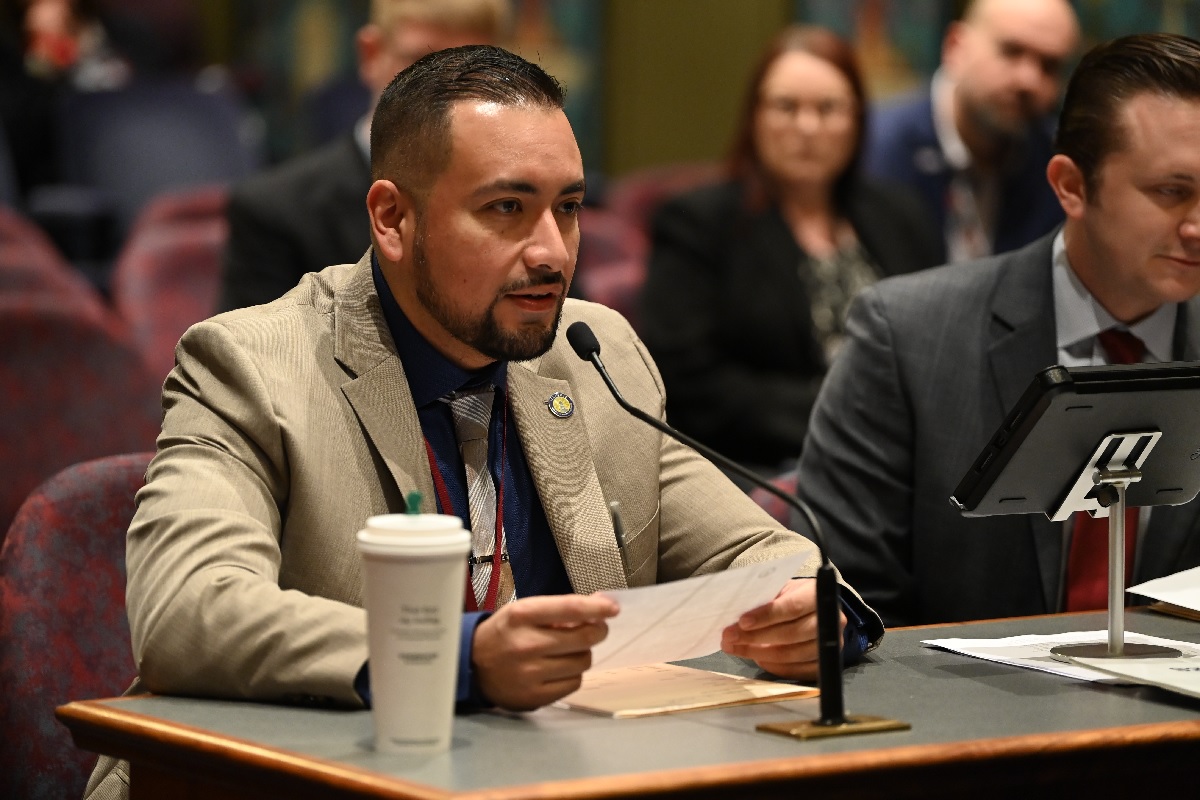 CHICAGO – State Senator Javier Loera Cervantes released the following statement on the Federal Emergency Management Agency’s denial of disaster assistance for a number of Illinois counties following August’s severe line of storms:
- Details
- Category: Press Releases
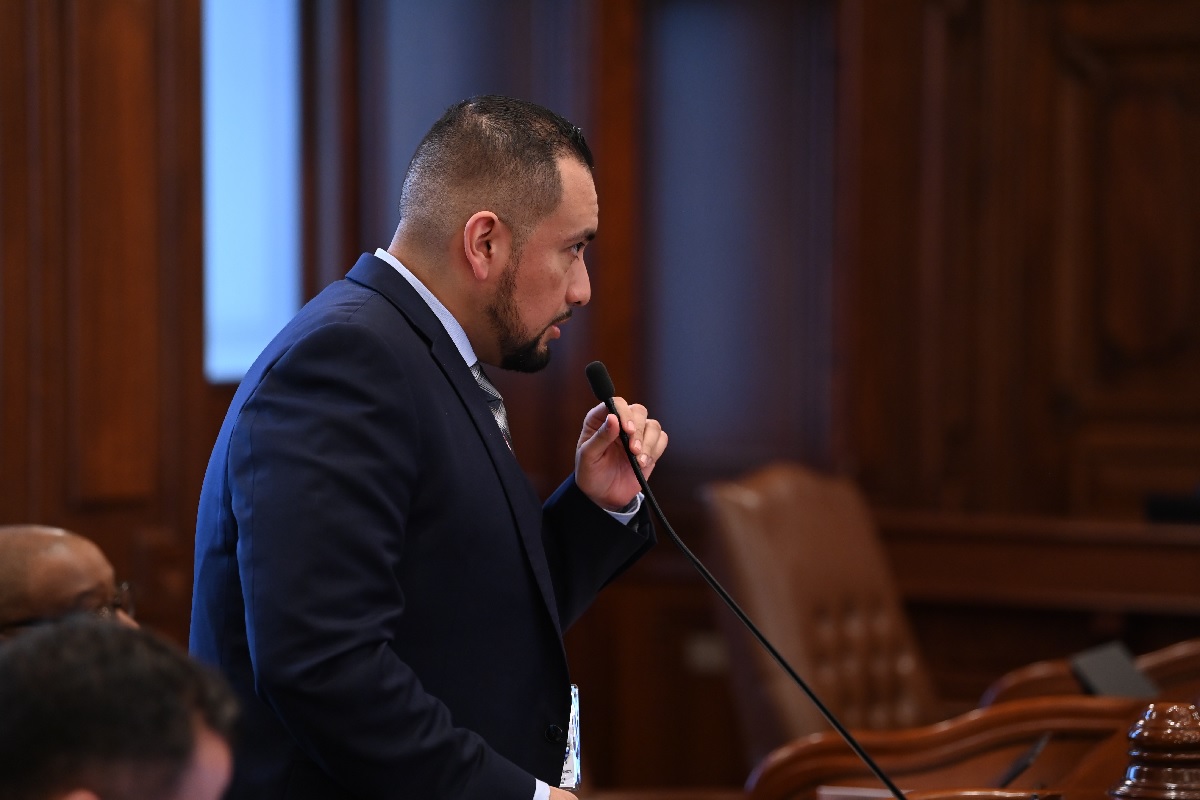 CHICAGO – State Senator Javier Loera Cervantes announced that $100,000 has been awarded to the Chicago Zoological Society through the Tourism Marketing Partnership Grant Program.
“Tourism grants are a wonderful resource for our neighborhoods, helping residents and visitors alike to explore the history of Chicago and all there is to do in our city,” said Cervantes (D-Chicago). “I am proud to have been a part of the efforts to secure this funding, and I look forward to seeing all the good that this grant will do for our communities.”
- Details
- Category: Press Releases
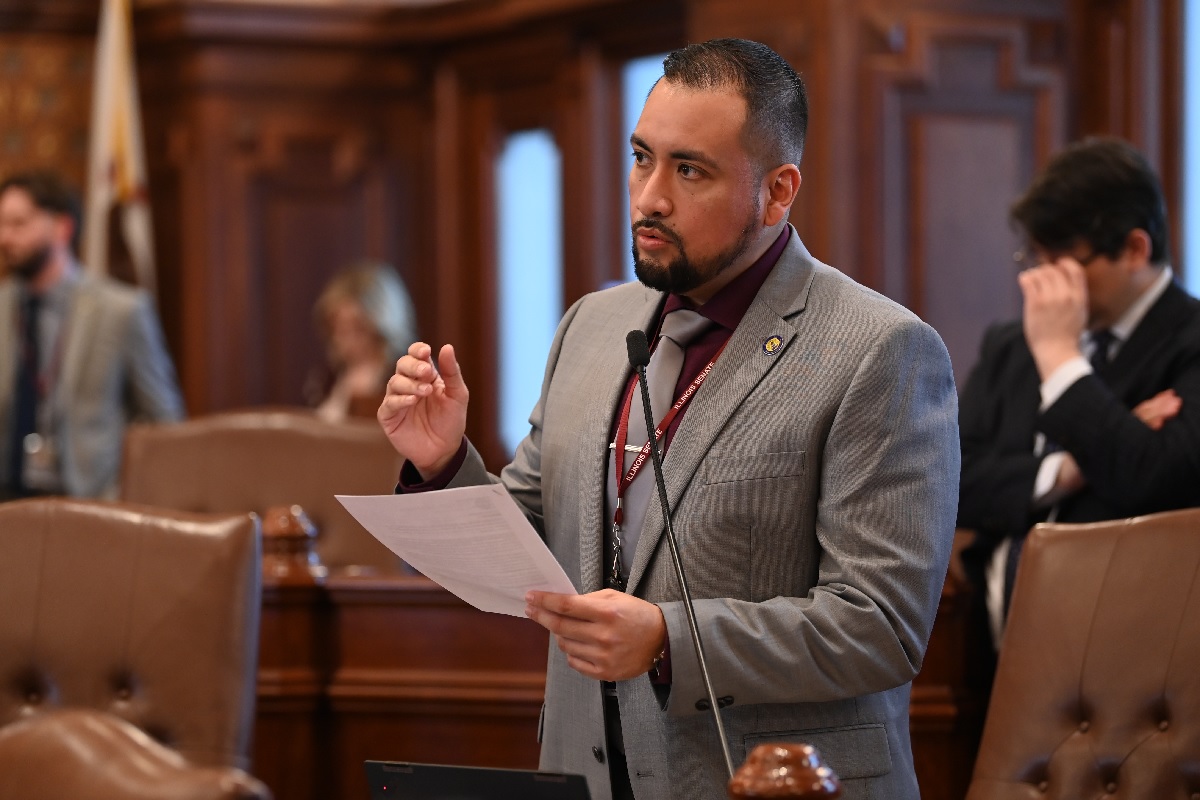 CHICAGO – To combat rising energy prices, State Senator Javier Loera Cervantes encourages eligible families in the 1st District to apply for the Low-Income Home Energy Assistance Program.
“People throughout Illinois are struggling with the rising cost of energy bills,” said Cervantes (D-Chicago). “Every Illinois resident should be able to have a suitable temperature in their house, and it’s our job to make that a reality.”
- Details
- Category: Press Releases
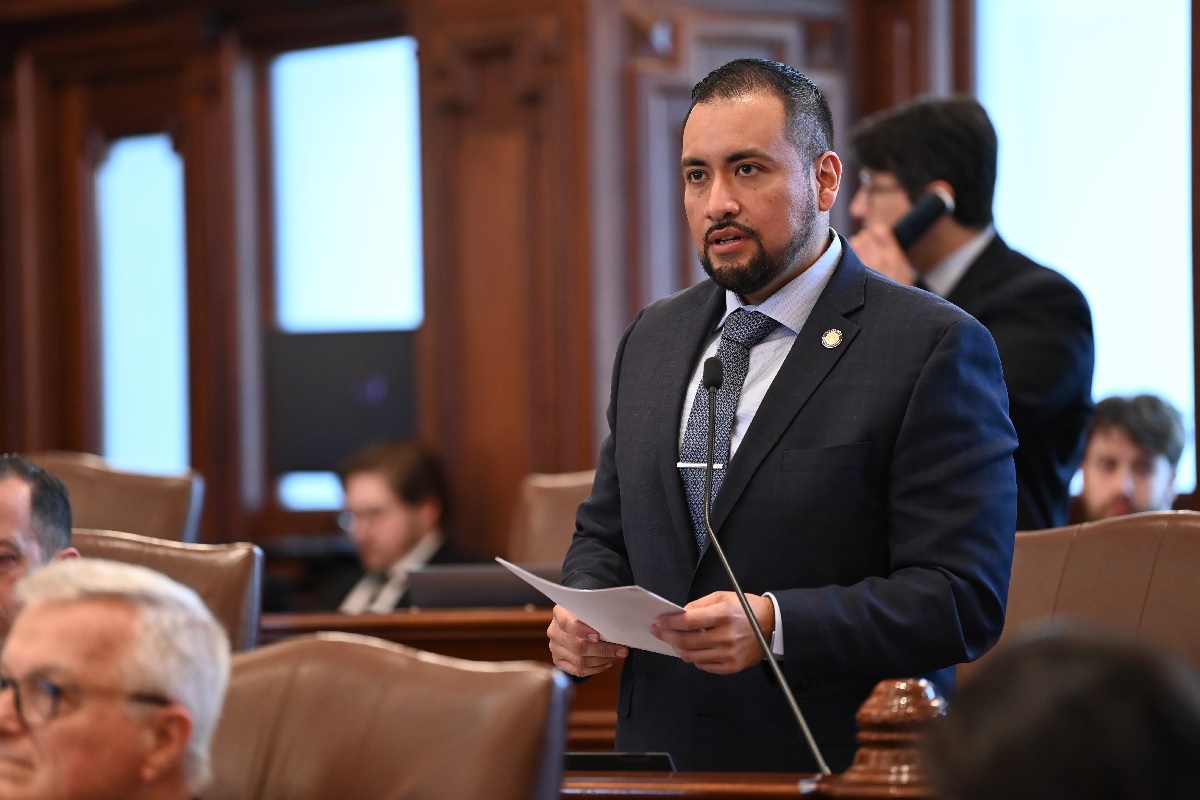 CHICAGO – State Senator Javier Loera Cervantes announced that new funding is available through the Illinois Grocery Initiative’s New Stores in Food Deserts, Equipment Upgrades and Grocery Rescue grant programs – representing a $26 million effort addressing food deserts and preventing the closure of grocery stores in communities across Illinois.
“The Illinois Grocery Initiative helps ensure residents in every community can put food on their tables,” said Cervantes (D-Chicago). “By investing in our communities’ existing grocery stores and bringing new ones to the area, we are supporting the ability of residents across Illinois to have access to fresh food close to home.”
More Articles …
Page 1 of 37
Follow Sen. Cervantes




Contact Info
Springfield Office:
625 Capitol Building
Springfield, IL 62706
(217) 782-9415
District Office:
6729 Stanley Ave.
1st Floor, Suite A
Berwyn, IL 60402
(773) 869-9050